Nils Carter · 7 September 2026
Connecting Cultural Heritage Discoveries with Local Economic and Environmental Strategies
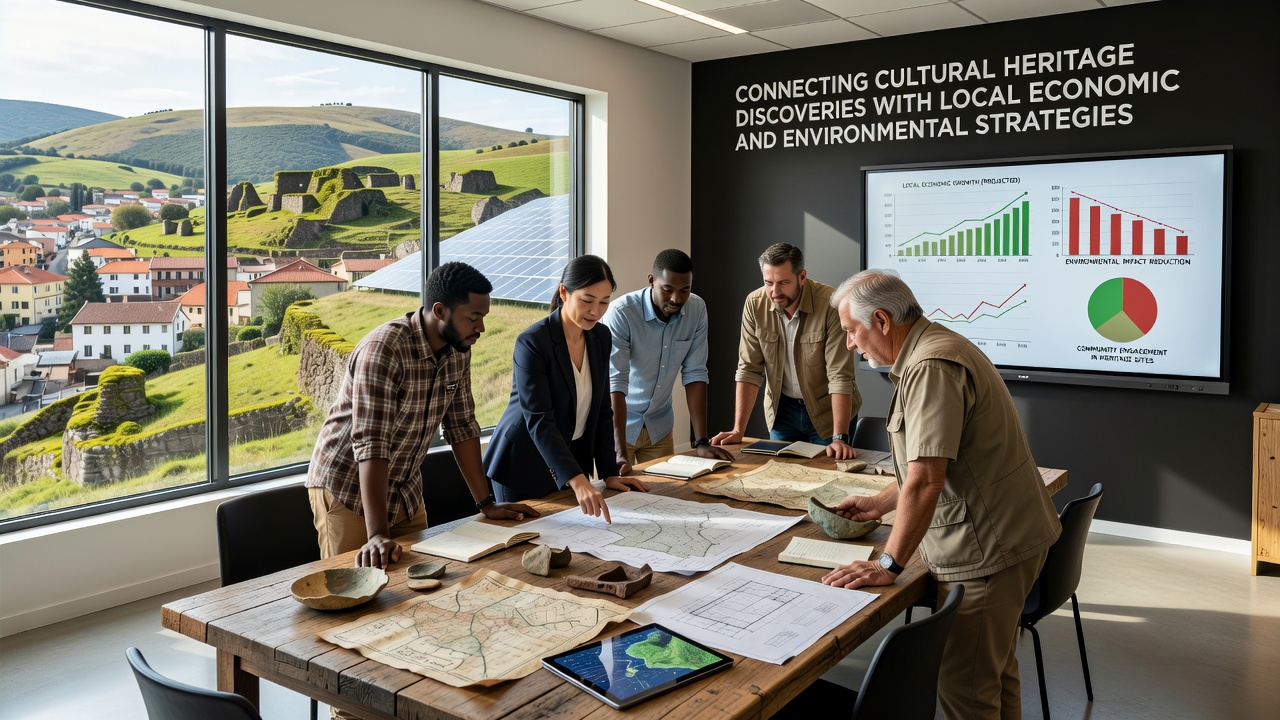
Archaeological finds across regions like central Italy have long shaped how communities balance preservation with growth, and researchers continue to document cases where new discoveries feed directly into economic plans that also safeguard surrounding ecosystems. In many areas teams uncover ruins or artifacts that attract visitors while prompting local governments to adjust zoning laws and invest in green infrastructure that reduces erosion around sensitive sites.
Economic Integration of Heritage Sites
Local economies often see measurable shifts once heritage locations open to managed tourism, because visitor spending supports small businesses and creates jobs in guiding, hospitality and craft production, yet officials must coordinate these flows with environmental limits to prevent overuse of water resources or habitat disruption. Data from multiple European case studies shows that regions pairing heritage access with training programs for residents achieve steadier revenue streams, since participants learn techniques for low-impact site maintenance that keep attractions viable year after year.
Authorities in several districts have introduced revenue-sharing models where ticket proceeds fund both conservation crews and community projects, and this approach has helped stabilize populations in villages that once faced outward migration. Figures from recent inventories reveal that heritage-linked enterprises contribute to diversified income sources, allowing farmers to supplement earnings through agro-tourism packages that highlight traditional land-use methods alongside newly excavated features.
Environmental Safeguards in Discovery Zones
Environmental planners work alongside excavation crews to map soil stability and water tables before public access expands, because unchecked foot traffic can accelerate degradation of both cultural layers and nearby biodiversity corridors. Studies conducted by regional agencies indicate that integrated strategies incorporating native plant buffers around dig sites reduce runoff and maintain microclimates favorable to local flora and fauna, while still permitting seasonal visitor numbers to rise.
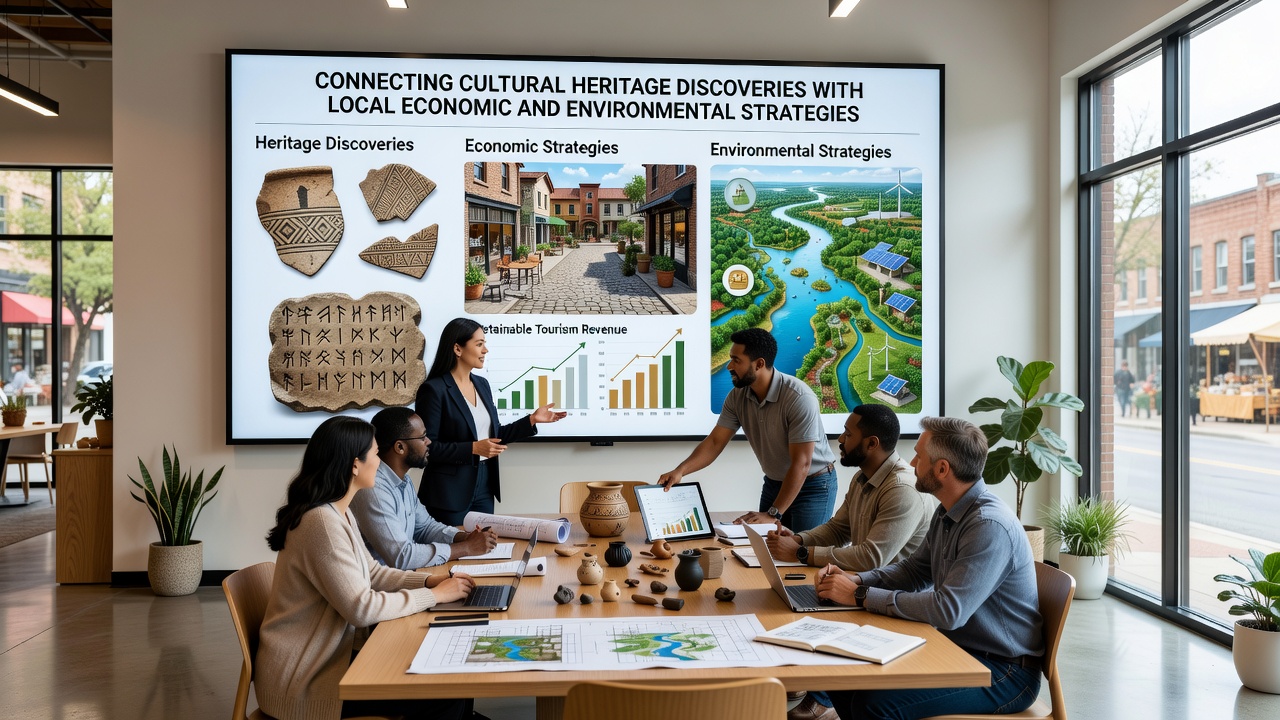
Monitoring programs now track visitor density against species population counts, and when thresholds near critical levels, authorities implement timed entry systems that spread impact across broader time windows. Such measures align with broader European Union directives on sustainable land management, which emphasize measurable outcomes rather than broad prohibitions.
Case Examples from Recent Projects
One documented effort near river valleys combined an unearthed Roman-era settlement with adjacent wetland restoration, creating a circuit where guided walks educate participants on both historical trade routes and current habitat recovery techniques, and the combined offering has drawn repeat regional visitors without requiring large-scale new construction. Another initiative in a hilly district used drone surveys to identify previously unknown burial mounds, then routed economic development funds toward solar-powered visitor centers that offset energy demands from increased foot traffic.
These projects demonstrate how discovery phases can trigger multi-year planning cycles that fold economic targets into environmental metrics, and participants report that early collaboration between archaeologists, economists and ecologists prevents later conflicts over land allocation. In September 2026 organizers plan an international workshop focused on scaling these models to additional Mediterranean locales, drawing on data compiled from the preceding five years of implementation.
Policy Frameworks and Measurement Tools
Government bodies at national and municipal levels have adopted indicator sets that weigh heritage site revenue against carbon footprint reductions achieved through shared transport options and on-site renewable installations. UNESCO guidelines outline methods for incorporating cultural assets into local development plans without compromising ecological baselines, and several Italian regions have adapted these frameworks to their specific topography and settlement patterns.
Independent audits conducted by research institutions provide periodic checks on whether economic gains remain distributed across resident populations rather than concentrating among external operators, and results help refine licensing rules for commercial activities near protected zones. Observers note that transparent reporting of both visitor statistics and environmental readings builds public confidence in long-term commitments.
Future Outlook for Integrated Approaches
Continued refinement of digital mapping tools allows planners to simulate various development scenarios before ground is broken, and this capacity supports decisions that protect both subsurface remains and surface vegetation corridors. Partnerships between universities and local administrations have produced open datasets that other communities can consult when similar finds emerge, shortening the time between discovery and strategic response.
Conclusion
Heritage discoveries continue to serve as catalysts for coordinated economic and environmental planning across multiple scales, and the patterns emerging from current projects supply templates that communities elsewhere can evaluate against their own conditions. Sustained measurement and cross-sector coordination remain central to maintaining these linkages over successive planning cycles.