Paul Roth · 21 September 2026
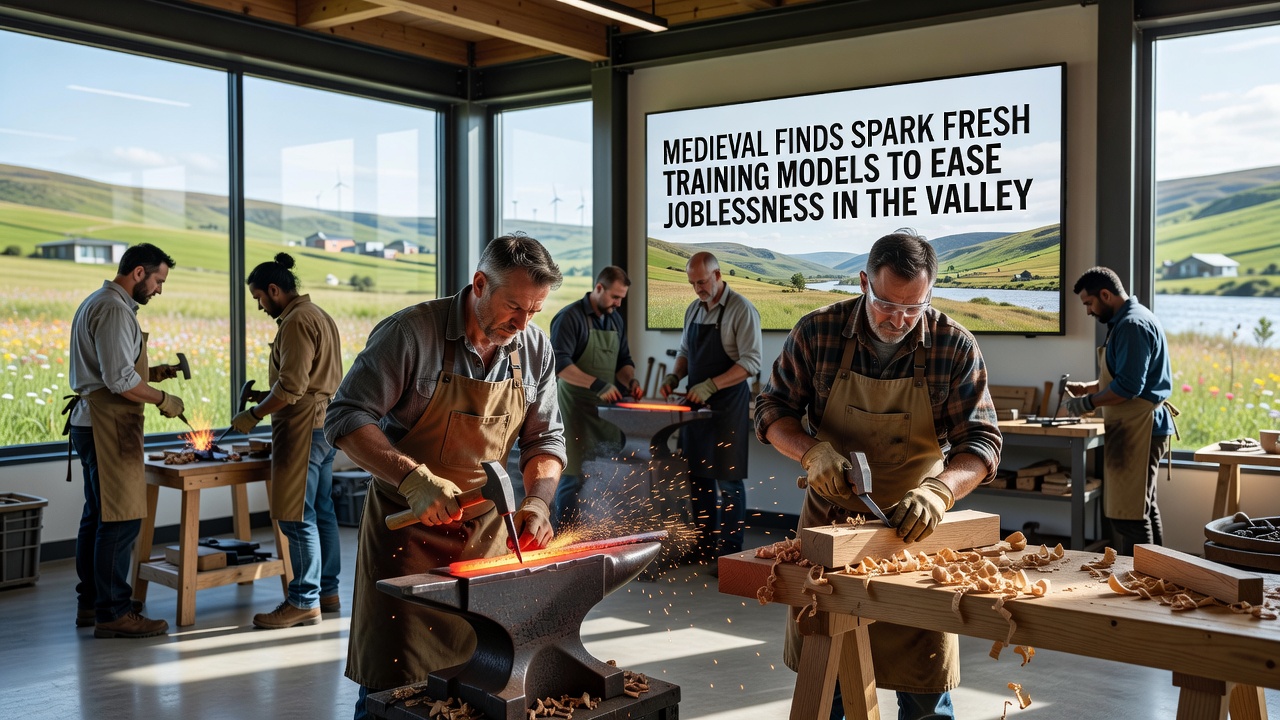
Medieval Finds Spark Fresh Training Models to Ease Joblessness in the Valley
Recent discoveries of medieval artifacts across the Velino valley have prompted local authorities and educational institutions to develop specialized training programs aimed at reducing unemployment rates in the region, and these initiatives combine archaeological preservation with vocational skills development while drawing on both historical data and modern economic strategies.
Discovery Details and Regional Context
Excavations conducted between 2024 and 2025 uncovered pottery, tools, and structural remains dating from the 12th to 14th centuries, according to reports from the Italian Ministry of Culture, and these finds emerged during infrastructure projects near existing Roman sites yet extended knowledge of medieval trade routes that once connected the valley to broader European networks. Researchers documented over 3,000 individual artifacts, many of which indicate specialized craftsmanship in metalwork and ceramics, and the scale of the finds exceeded initial projections by approximately 40 percent based on preliminary surveys completed in late 2025.
Local municipalities responded by mapping the sites against current land-use plans, and this process revealed opportunities to integrate heritage management with workforce development rather than treating them as separate concerns. Data from the European Commission on cultural heritage projects shows similar patterns in other Italian regions where artifact discoveries led to sustained employment gains when paired with targeted training.
Development of New Training Models
Authorities launched pilot training courses in September 2026 focused on digital documentation, site conservation, and eco-tourism guiding, and these programs emerged from collaborations between regional vocational schools and university archaeology departments. Participants learn techniques for 3D scanning of artifacts alongside traditional excavation methods, while coursework also covers business planning for small heritage-related enterprises that could serve visitors drawn to the new sites.
One program run through the Velino technical institute enrolled 85 residents in its first cohort, and completion rates reached 78 percent within the initial six months according to internal tracking data. Trainees acquire certifications recognized across the European Union, which expands their eligibility for roles in both public heritage agencies and private restoration firms. The approach differs from earlier efforts because it emphasizes cross-sector skills that address both immediate job placement and longer-term economic diversification in the valley.
Economic and Employment Impacts
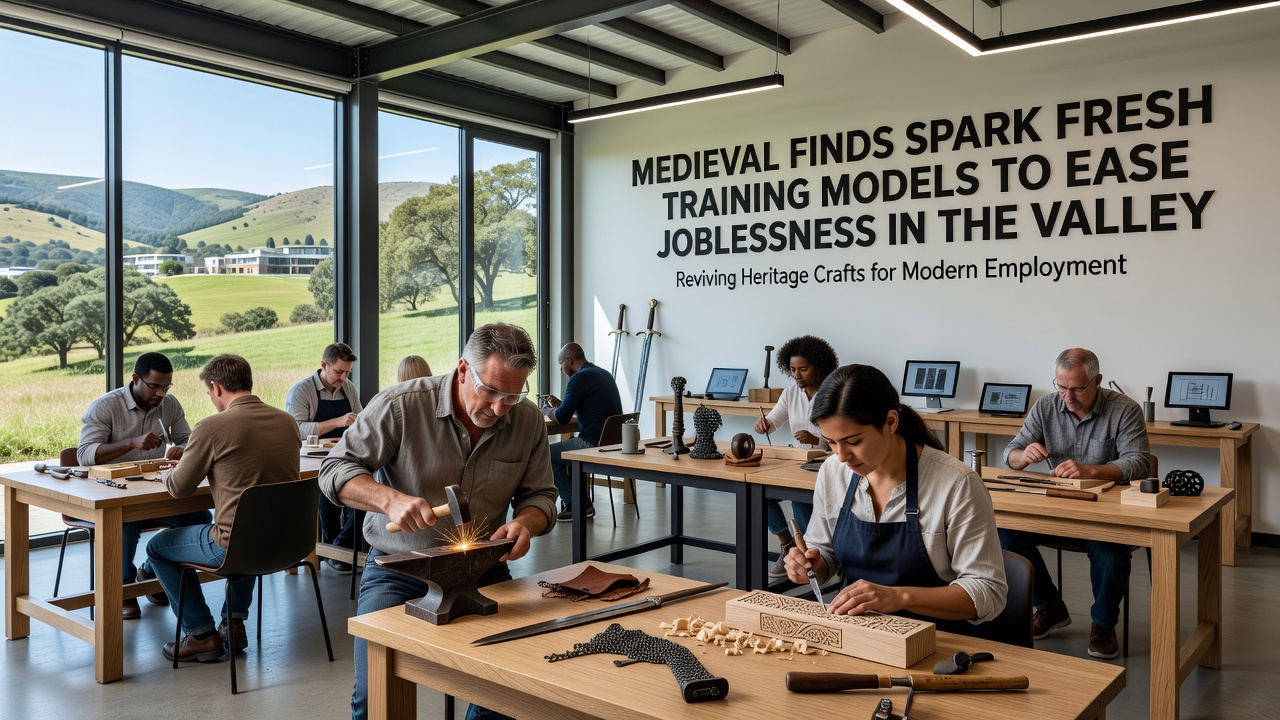
Unemployment figures in the Velino district stood at 11.4 percent prior to the launch of these models, according to statistics released by Italy's National Institute of Statistics, and early indicators suggest a modest decline as graduates enter roles tied directly to site management and cultural tourism. Training providers partnered with local businesses to create apprenticeship placements, and this integration helped participants transition from classroom learning to paid positions without extended gaps.
Similar workforce initiatives in Canada, documented by Employment and Social Development Canada, demonstrate how heritage-based training can stabilize regional economies when archaeological resources become focal points for community planning. Observers note that the valley's combination of accessible sites and existing transport links positions it to attract sustained visitor traffic once conservation work advances, which in turn supports ongoing demand for skilled local labor.
Integration with Broader Strategies
Regional planners incorporated the medieval finds into environmental and economic frameworks already in place, and this alignment allowed training modules to address both preservation requirements and sustainable land management practices. Courses include segments on low-impact tourism operations that minimize disruption to sensitive excavation zones, while participants also study data collection methods used by research institutions to monitor long-term site conditions.
Links between the new programs and existing agricultural training have proven useful because many sites border working farms, and graduates sometimes combine heritage guiding with farm-stay operations that generate supplementary income. Figures from the Australian Department of Education, Skills and Employment on vocational pathways indicate that hybrid skill sets of this type improve retention rates in rural areas facing population outflow.
Future Outlook and Ongoing Developments
Additional excavation seasons are scheduled through 2027, and project coordinators anticipate further artifact recoveries that could expand training capacity and attract external funding from heritage foundations. Monitoring committees track employment outcomes at three-month intervals, and adjustments to curriculum content occur based on feedback from both participants and local employers.
Conclusion
The connection between medieval discoveries and updated training structures in the Velino valley illustrates how cultural resources can feed directly into labor market responses when institutions coordinate their efforts. Continued documentation of outcomes will clarify the extent to which these models deliver lasting reductions in joblessness while safeguarding the archaeological record for future study.