Paul Roth · 19 October 2026
Valley Schools Weave Wildlife Protection Lessons into Curriculum After Recent Test Gains
Schools across the Velino valley have begun integrating wildlife protection modules into existing subjects after standardized test results showed measurable improvements in core areas like science and reading comprehension during the 2025-2026 academic year, and educators attribute part of the progress to hands-on environmental projects that kept students engaged.
Data from the regional education authority indicates that participating schools recorded an average 12 percent rise in science scores compared with the prior cycle, while reading scores climbed by 8 percent in the same period, and administrators note these gains coincided with pilot programs that used local ecosystems as teaching tools rather than abstract textbook examples.
Recent Academic Progress Sets the Stage
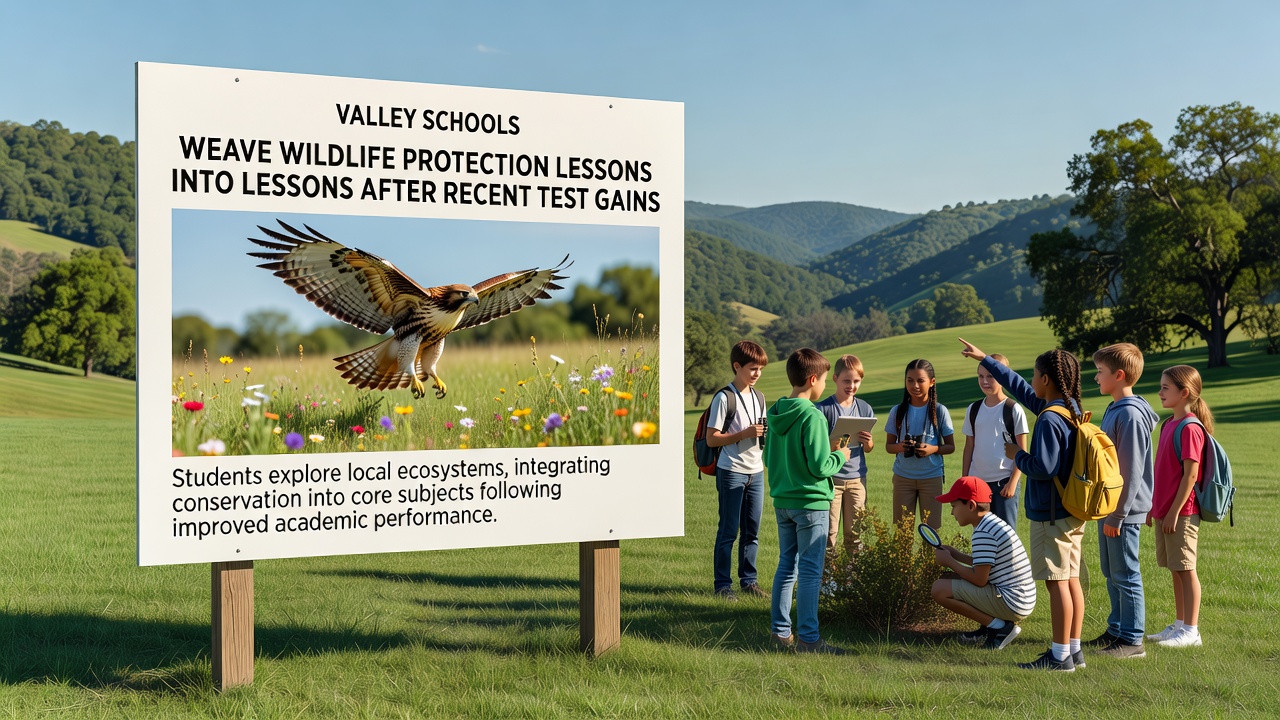
Figures released in early October 2026 by the Italian Ministry of Education reveal that valley districts outperformed regional averages in several key metrics, and the improvements followed targeted interventions that emphasized project-based learning over traditional lecture formats. One district coordinator explained that students responded well when lessons connected directly to the surrounding landscape, where protected species such as the Apennine wolf and golden eagle serve as focal points for biology units.
Researchers from the University of L'Aquila documented similar patterns in neighboring valleys, where combining field observations with classroom analysis produced higher retention rates for scientific concepts, and the valley schools adapted those findings by scheduling regular outdoor sessions that align with curriculum standards already in place.
Wildlife Protection Modules Take Shape
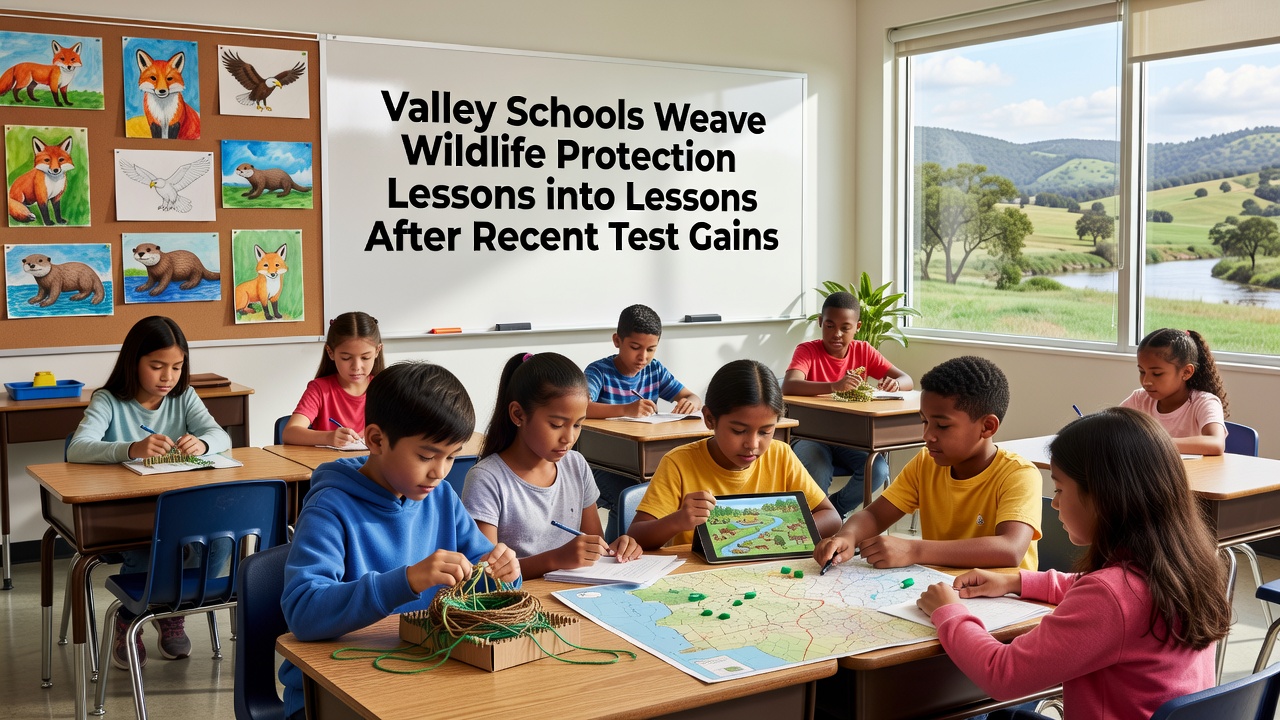
Teachers now weave wildlife protection content into science, geography, and even language classes, so students examine habitat maps while practicing data interpretation or write reports on migration patterns for composition assignments. The approach avoids adding extra hours to the school day because the material replaces or supplements existing units rather than expanding the schedule.
Local rangers from the Velino Regional Park provide guest sessions twice per term, and these visits give students direct access to monitoring techniques used by professionals, including camera-trap data review and basic tracking methods. The European Environment Agency has published guidelines on such community-science partnerships, and valley educators consulted those resources when designing the current modules.
Implementation Across Multiple Grade Levels
Primary classes focus on identifying common species and understanding basic food-web relationships, whereas secondary students analyze threats such as habitat fragmentation and climate effects on local populations. The progression builds on earlier test gains because the added context helps students apply abstract ideas to concrete local conditions, and preliminary internal assessments show continued upward trends in engagement metrics.
Materials developed by the schools include bilingual glossaries in Italian and English for conservation terminology, and these resources support language learning goals while reinforcing science content. District leaders report that the dual-purpose design emerged after consultations with curriculum specialists who recommended cross-subject integration as an efficient use of instructional time.
Community and Environmental Connections
Parents and park officials participate in joint events where students present findings from their monitoring projects, and these gatherings strengthen ties between schools and the broader valley community. Data collected by student groups contributes to the park's annual biodiversity reports, creating a feedback loop in which classroom work informs real conservation records.
Similar programs in other Italian regions have produced parallel outcomes, according to a 2025 study issued by the National Research Council, and valley administrators adapted elements from those models while tailoring activities to the specific species and terrain of the area. The result is a localized curriculum that maintains alignment with national learning objectives yet emphasizes the immediate environment.
Looking Ahead
Plans for the remainder of the 2026-2027 year include expanding the program to additional schools within the valley and introducing digital tools for remote data sharing among classes. Officials expect the combination of improved test performance and practical environmental education to continue supporting both academic and conservation aims without requiring major new funding allocations.
Conclusion
The integration of wildlife protection lessons into valley curricula follows directly from documented academic gains and relies on established partnerships with regional park staff and educational researchers. Continued monitoring of test results alongside conservation participation rates will determine whether the current model sustains its early momentum through the coming academic cycles.