Jonas Roth · 5 October 2026
Velino's Youth Initiatives Blend Heritage Skills With Emerging Tech Sectors to Spark Local Enterprise Growth
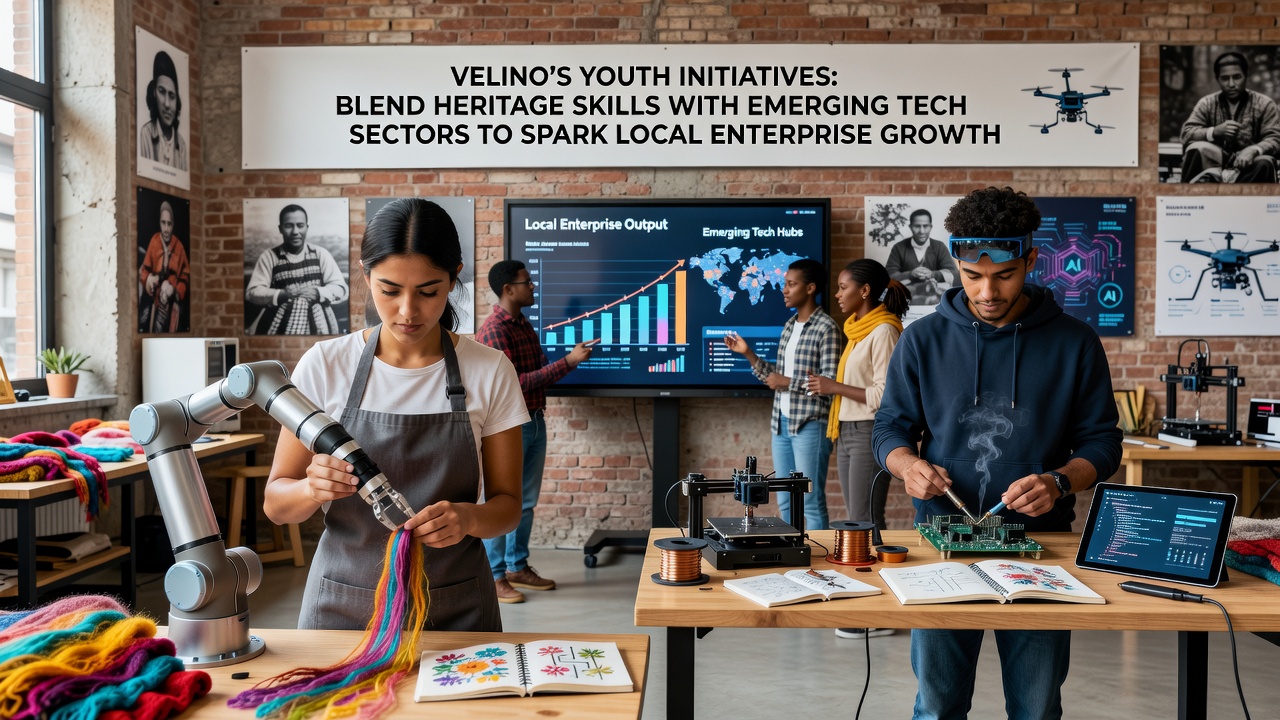
Across the Velino region, training programs have paired longstanding craft techniques with digital tools in an effort to support new business formation among younger residents. These efforts focus on skills such as woodworking, textile work, and ceramic production alongside software for 3D modeling, online marketplaces, and virtual tourism experiences.
Program Structure and Participant Pathways
Local organizations coordinate multi-month courses that begin with hands-on instruction in historical methods passed down through generations. Trainees then move into sessions covering data analytics for market trends, basic coding for custom product platforms, and drone photography for documenting heritage sites. Completion often leads to micro-grants that help launch small ventures, with oversight from regional development offices.
Enrollment figures from the past two years show steady growth in participation, particularly among individuals aged 18 to 35 who previously left the area for employment elsewhere. Sessions run in community centers and converted industrial spaces, allowing groups to test prototypes on shared equipment like laser cutters and augmented reality viewers.
Integration of Heritage and Technology
Workshops demonstrate how traditional patterns from local textiles can feed into algorithms that generate variations for contemporary apparel lines. Similar approaches apply to food products, where preservation techniques meet blockchain tracking for supply chain transparency. These combinations aim to maintain cultural distinctiveness while reaching broader customer bases through e-commerce channels.
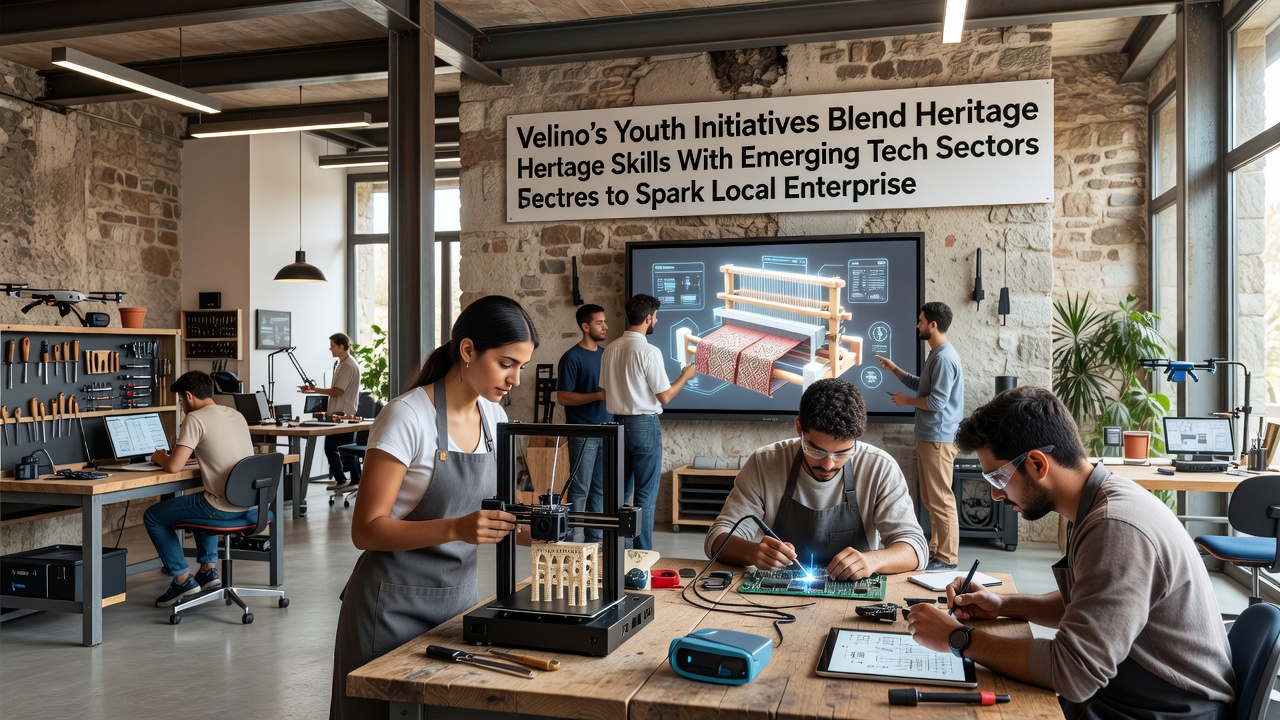
October 2026 marks the rollout of an expanded series of events that includes public demonstrations and networking sessions with established firms in nearby cities. Organizers report that prior cohorts have formed cooperatives focused on sustainable packaging derived from regional agricultural byproducts, integrated with inventory management applications.
Measured Outcomes and Supporting Data
Regional statistics indicate that enterprises started through these initiatives recorded an average revenue increase of 18 percent within the first year of operation, according to records compiled by the Italian Ministry of Economic Development. Employment within participant-led businesses reached several hundred positions, concentrated in roles involving both manual production and digital oversight.
Researchers from the University of Bologna documented similar patterns in comparable Italian valleys, noting that blended skill sets reduced the typical lag between training and market entry. Their findings appear in a 2025 report that examined output metrics across multiple heritage sectors.
One project tracked the use of sensor-equipped looms that log production data for quality control, then upload results to cloud platforms accessible to international buyers. This setup draws on practices observed in Australian Indigenous enterprise programs, where digital tools support cultural product distribution without displacing traditional knowledge holders.
Challenges Addressed Through Collaboration
Funding cycles and equipment access have presented ongoing logistical issues, yet partnerships with technical institutes have supplied updated hardware on a rotating basis. Mentorship pairings connect novices with experienced entrepreneurs who have already navigated regulatory requirements for online sales within the European Union framework.
Additional support comes from grants administered through the European Commission’s cultural heritage initiatives, which prioritize projects that link preservation with economic diversification. These resources help cover costs for software licenses and certification programs in cybersecurity for small-scale operations.
Conclusion
Continued monitoring of these Velino programs will track long-term sustainability as more graduates transition into independent operations. The approach illustrates one model for regions seeking to retain younger populations by aligning inherited practices with tools that expand market reach. Further documentation from local authorities is expected to provide updated participation and revenue figures following the October 2026 activities.